Elevate Your Homes Comfort: Expert Insulation Services By Skilled Contractors
In the current energy-aware climate, proper insulation is essential for maintaining home comfort and efficiency. Many homeowners overlook the significant impact of insulation on both energy bills and indoor air quality. Reliable contractors provide professional services designed to detect and resolve insulation problems. Exploring these services can demonstrate how modest modifications can produce considerable gains. Nevertheless, the key question endures: how do you identify the best solutions tailored to your particular situation?
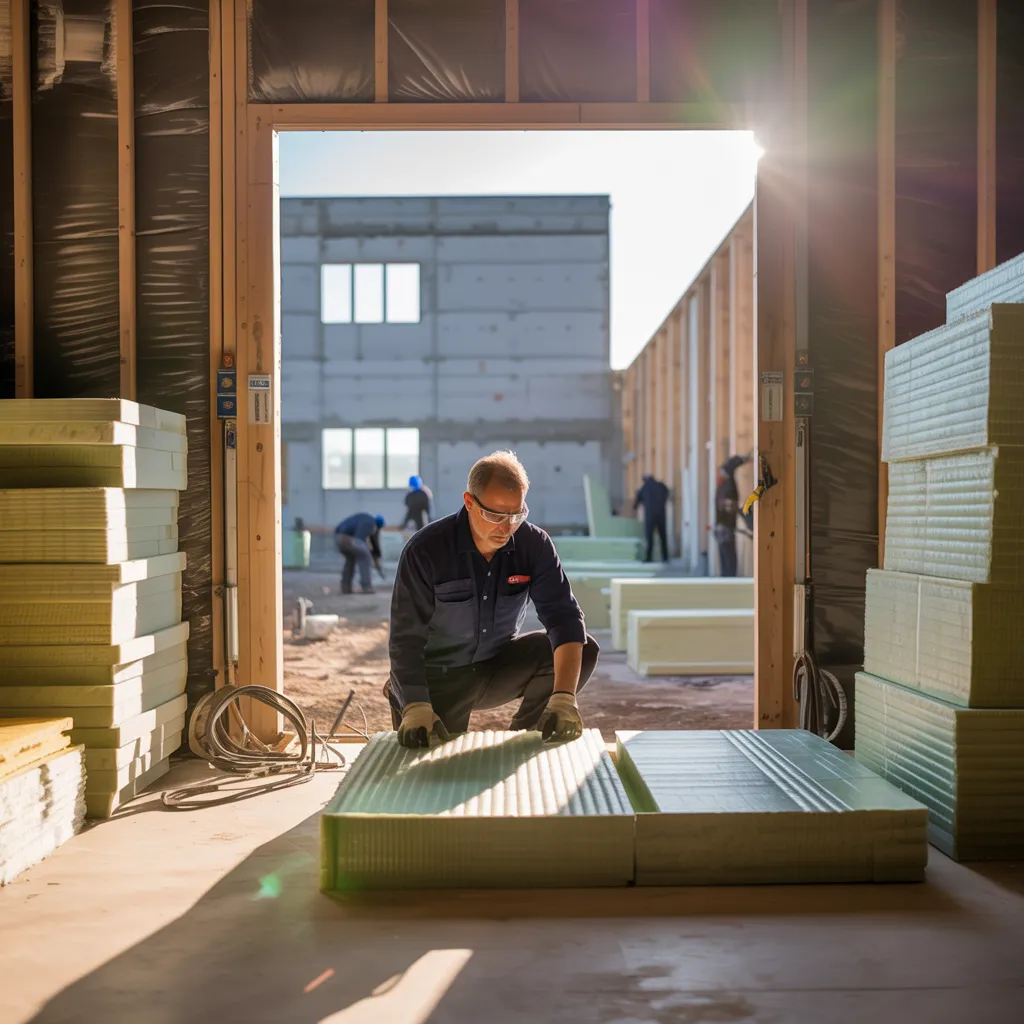
Why Inadequate Insulation Is Costing You Money and Comfort
Poor insulation can greatly impact both energy expenses and indoor comfort. When insulation fails to meet standards, heat loss in winter and heat gain in summer become pronounced, forcing heating and cooling systems to work overtime. This inefficiency translates directly to higher utility bills, as homeowners face inflated energy costs due to increased demand on HVAC systems.
Moreover, substandard insulation can result in unfavorable living conditions, with drafts and temperature fluctuations diminishing the comfort of your space. Excess moisture may also arise, creating a breeding ground for mold and mildew, which can significantly worsen indoor air quality.
Committing to quality insulation addresses these concerns while simultaneously improving overall home value. A properly insulated home encourages both energy efficiency and everyday comfort, permitting homeowners to fully appreciate their home while cutting down on unneeded expenditures. Consequently, tackling insulation inadequacies is key to securing financial savings and improved living conditions.
Is Your Home Drafty? Here's What to Look For?
Determining if a home is drafty can be achieved by noting common warning signs and inspecting energy statements. Detectable cold zones and varying temperature levels frequently suggest the presence of air leaks. Additionally, unusually high energy costs might suggest that insufficient insulation is permitting heat loss.
Usual Draft Symptoms
Numerous homeowners frequently ignore the telltale indicators of drafts inside their homes, which can lead to rising energy expenses and unpleasant conditions. Common symptoms include obvious temperature differences, where particular rooms are noticeably chillier than surrounding spaces. Occupants can also detect drafts around electrical outlets, windows, and doorways, often felt as a chill against the skin. Additionally, continuous fogging on window panes can indicate poor insulation, enabling frigid air to infiltrate living spaces. Audible whistling or shaking sounds during strong winds may also point to air infiltration. To conclude, if drapes or thin materials shift without any wind, it strongly suggests that air is making its way inside. Recognizing these symptoms is the first step toward achieving a more comfortable living environment.
Energy Cost Indicators
Rising energy costs frequently act as a clear indicator of drafty conditions within a home. Homeowners may observe a notable rise in their monthly costs, indicating that heating or cooling systems are working harder to maintain comfortable temperatures. A home with drafts can result in uneven temperature distribution, prompting homeowners to increase thermostat settings. To locate drafty spots, residents can perform basic checks, such as sensing cold drafts near windows and doors or holding a candle near potential draft sources. Additionally, inspecting insulation levels in attics and walls can reveal hidden gaps. Tackling these problems with expert insulation solutions can help restore energy efficiency, resulting in decreased expenses and enhanced living conditions.
Key Benefits of Professional Insulation Installation
Harnessing the full potential of a home's insulation effectiveness often relies on qualified insulation application. Certified specialists verify that thermal materials are accurately placed, considerably limiting heat loss in winter and minimizing heat gain in summer. This meticulous approach leads to a better regulated indoor temperature, enhancing comfort across all seasons.
Additionally, expert installation can result in lower utility bills, as residences rely less on heating and cooling systems. This not only encourages cost savings but also minimizes the overall environmental impact, contributing to a healthier environment.
Moreover, expert installers are knowledgeable about the most recent insulation solutions and products, guaranteeing that homeowners obtain the finest solutions designed for their individual needs. They also follow industry safety regulations and building codes, which is crucial for long-term performance and compliance. In the end, the primary advantages of professional insulation installation include improved comfort, greater energy efficiency, and peace of mind for homeowners.
How to Choose a Reliable Insulation Contractor
Finding a reputable insulation specialist necessitates careful consideration of several key factors. Property owners are advised to check the professional's credentials and coverage, review their experience and expertise, and ask for comprehensive quotes to ensure accountability. Such measures assist in forming a knowledgeable judgment and obtaining superior insulation results.
Verify Licenses And Insurance
Before hiring an insulation contractor, it is important to check their licenses and insurance. This step guarantees that the contractor adheres to local regulations and industry standards, giving homeowners reassurance. A valid license indicates that the contractor has completed the required training and is competent to handle insulation work. Furthermore, insurance protects homeowners from potential liabilities, such as damage or accidents that could arise during the project. It is wise to ask for proof of both licenses and insurance before continuing. Furthermore, homeowners should confirm that the insurance coverage is up to date and sufficiently covers the scope of work. Implementing these measures helps to minimize risks and establishes a safer, more dependable working relationship with the contractor.
Assess Experience And Expertise
Assessing a contractor's knowledge and qualifications is important when hiring a reliable insulation specialist. Assessing a contractor's history involves considering their years in the industry and the types of insulation projects they have completed. It is helpful to consider their particular niche, as some may excel at residential insulation while others may excel in commercial settings.
Moreover, reviewing testimonials and client reviews can offer valuable information about their workmanship and reliability. Accreditations from respected organizations also indicate a commitment to industry standards. By thoroughly assessing these criteria, homeowners can make certain they identify a contractor with the essential abilities and understanding to offer exceptional insulation work, ultimately elevating the comfort level and energy efficiency of their homes.
Get Detailed Estimates
How can homeowners be certain they are making the right choice when choosing an insulation contractor? One reliable strategy is to gather comprehensive estimates from various contractors. This method gives homeowners the ability to assess not only the expenses but also the breadth of work each contractor suggests. An estimate ought to detail materials, labor, timeframes, and any likely supplementary costs. Homeowners should confirm that quotes are broken down, offering clarity on what each cost covers. Moreover, requesting clarification on any confusing elements can help eliminate future complications. By securing comprehensive quotes, homeowners can more effectively evaluate what each contractor brings to the table and arrive at a well-considered choice, leading to a rewarding insulation project that fulfills their goals and stays within their budget.
Finding the Right Insulation Type for Your Home
What factors should homeowners consider when selecting insulation? First, the climate plays an essential role; regions with extreme temperatures may require more robust insulation types, such as spray foam or fiberglass. Homeowners ought to also assess the insulation's R-value, which indicates its thermal resistance; greater R-values are recommended for improved energy savings.
An additional factor is the type of material, which includes foam board, fiberglass, and cellulose, each offering unique benefits and drawbacks. Homeowners should additionally evaluate the process of installation; some materials are DIY-friendly, while others may require professional assistance.
Furthermore, the region to be covered with insulation—walls, attics, or basements—will impact the selection of insulation. Lastly, budget constraints will inform choices, as not all insulation options carry the same price tag. By considering these factors, residents can determine the insulation that optimally addresses their needs while boosting their home's overall comfort.
The Effect of Insulation on Energy Costs
Can homeowners really appreciate the considerable role insulation plays in energy expenditure? Effective insulation considerably decreases the need for heating and cooling systems to operate excessively, leading to reduced energy expenses. By minimizing heat movement, it keeps indoor temperatures consistent, which not only boosts household comfort but also diminishes energy consumption. Research shows that homes with adequate insulation can cut expenses by as much as 20% on heating and cooling costs annually, a significant amount for many households. Furthermore, the grade and variety of insulation also affect these savings; greater R-values offer superior heat resistance. Homeowners often disregard the long-term financial benefits of upgrading their insulation, viewing it as an upfront cost rather than a money-saving solution. Ultimately, by focusing on proper insulation, homeowners can reach outstanding energy savings, leading to lower monthly expenses and a reduced ecological impact.
Understanding the Insulation Installation Process: A Complete Overview
Homeowners may achieve considerable energy savings with proper insulation, but being aware of the installation procedure is equally critical. Initially, a qualified contractor carries out a detailed inspection of the home, pinpointing sections that need insulation. This evaluation includes checking attics, walls, and basements.
Next, the technician chooses the right insulation option, such as cellulose, fiberglass, or spray foam, in accordance with the residence's budget and specific needs. Once the right materials are identified, the job starts. This typically involves sealing any gaps or cracks to ensure optimal results.
When it comes to attic insulation, the procedure may involve installing batts or injecting loose-fill material, while wall insulation might require boring small openings for the injection process. Following the installation process, the contractor will review the work to confirm no areas are overlooked. Ultimately, correctly performed insulation installation not only boosts residential comfort but also supports lasting energy efficiency.
Popular Questions We Receive
How Long Does Insulation Usually Last Before Requiring Replacement?
Insulation generally lasts between 20 to 30 years, based on the material and surrounding conditions. Periodic inspections can help evaluate its condition and if replacement is needed to maintain ideal energy efficiency in a home.
Can I Handle Insulation Installation on My Own, or Should I Hire a Professional?
While some individuals may attempt DIY detailed guide insulation installation, working with a professional is strongly advised. Skilled professionals provide proper installation, conformance to safety regulations, and maximum energy efficiency, ultimately providing a more effective and lasting insulation solution.
What Are the Environmental Impacts of Different Insulation Materials?
Different insulation materials have varying environmental impacts. Natural options like cellulose and sheep’s wool are generally more sustainable, while synthetic materials, such as foam, may release harmful chemicals during production and disposal. Recycling and sourcing matter considerably.
How Do I Know if My Insulation Needs to Be Upgraded?
Indicators that insulation requires upgrading consist of significant temperature variations, rising energy costs, cold drafts, or apparent deterioration. Checking locations like attics and walls can further expose moisture concerns or inadequate levels of insulation.
Are Government Incentives Available for Improving Home Insulation?
Absolutely, many authorities offer incentives for upgrading home insulation, such as rebates, grants, or tax credits. Residents should explore local programs and national initiatives that encourage energy efficiency upgrades to maximize potential savings.
Comments on “Experienced Energy Efficiency Experts”